
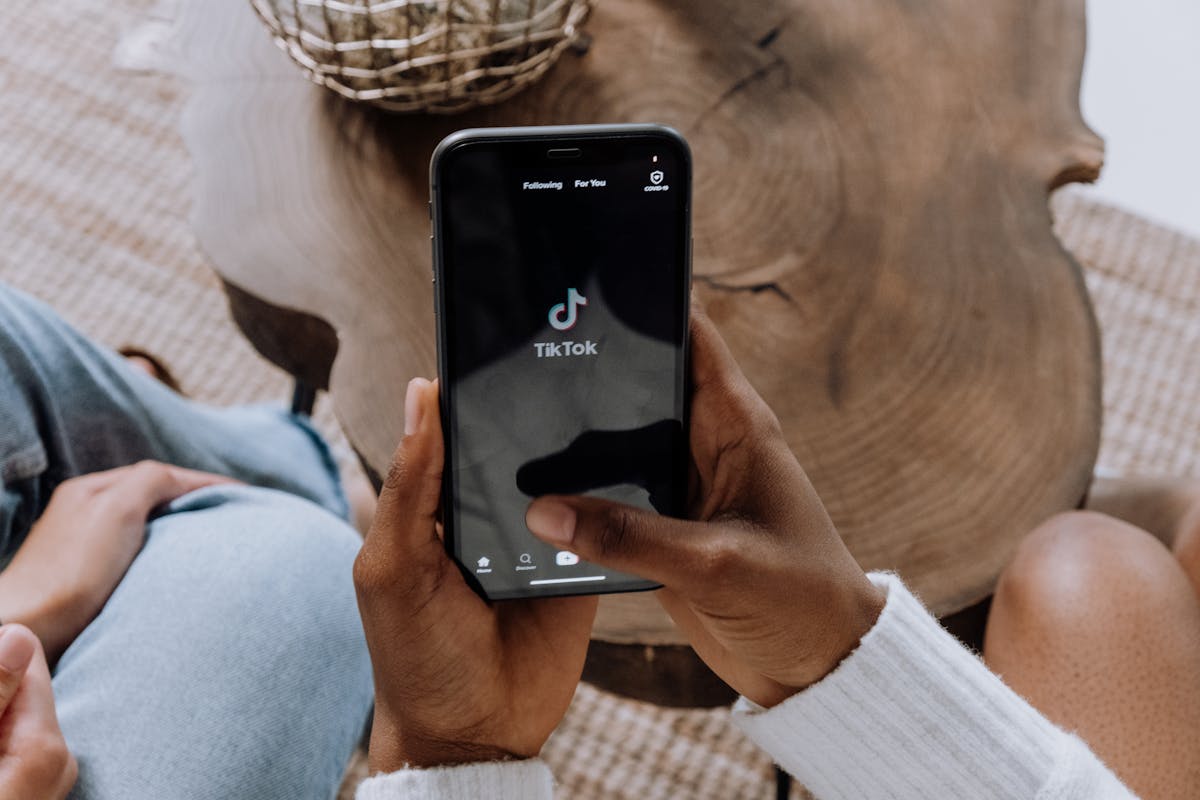
January 2026 on TikTok has been nothing short of chaotic. Between the platform’s near-death experience in the United States, a massive user migration to a Chinese app most Americans had never heard of, and the usual explosion of viral sounds and challenges, the first month of the year delivered more drama than most platforms see in an entire year.
Here’s everything dominating your For You Page right now and why it matters.
The TikTok Ban Saga: What Actually Happened
Let’s address the elephant in the room first. On January 17, 2025, the U.S. Supreme Court upheld the law requiring ByteDance to divest TikTok or face a ban in the United States. On January 18, TikTok actually went dark for American users for approximately 14 hours. The app displayed a message telling users it was “temporarily unavailable” and pointing them to a statement from TikTok.
Then, on January 19, TikTok came back. President Trump, who took office on January 20, signed an executive order giving ByteDance an additional 75-day extension to find a buyer. The whiplash was real. Over 170 million American TikTok users went from mourning the app’s death to celebrating its resurrection in less than a day.
The saga has continued into 2026, with ongoing negotiations about potential buyers and TikTok’s future structure in the U.S. market. But for now, the app is alive, thriving, and more culturally dominant than ever, partly because nothing makes people appreciate something more than almost losing it.
The Great RedNote Migration: Remember That?
During the 14-hour TikTok blackout, something fascinating happened. Millions of American users flooded Xiaohongshu, a Chinese social media app known in English as RedNote. Within 48 hours, RedNote became the number one downloaded app in the U.S. App Store. American users started calling themselves “TikTok refugees” and began posting content entirely in English on a platform designed for Chinese-speaking users.
The cultural exchange was genuinely heartwarming. Chinese and American users started teaching each other their languages, sharing recipes, and bonding over shared interests. The hashtag “TikTokRefugee” generated over 700 million views on RedNote in its first week. Chinese users welcomed the Americans with cat videos and language lessons. Americans reciprocated with memes and confusion about the app’s interface.
Once TikTok came back online, most American users returned to the familiar platform. But RedNote retained a significant chunk of new users, estimates suggest around 3 million Americans stayed active on the app through early 2026. It was an accidental experiment in digital diplomacy, and honestly, one of the most wholesome internet events in recent memory.
What Sounds and Challenges Are Dominating January 2026?
The viral sound cycle on TikTok moves at light speed, but a few trends have shown real staying power heading into 2026. The “Demure” trend from mid-2025 finally died down, only to be replaced by a wave of absurdist humor that feels like early-internet comedy repackaged for Gen Z.
The “Very Mindful, Very Cutesy” audio that dominated late 2025 courtesy of creator Jools Lebron evolved into ironic remixes that people are using to narrate increasingly unhinged daily routines. The trend peaked at over 3 million uses before morphing into something new entirely.
Dance challenges are having a bit of a resurgence after a quieter 2025. Choreographer Jake Simpson dropped a routine to a sped-up remix that’s racked up over 500 million views across all creators. The key difference from the 2020-era dance trends? The choreography is deliberately simpler and more inclusive, designed so anyone can participate rather than just trained dancers.
TikTok Shop: Brilliant or Annoying?
TikTok Shop has become impossible to ignore. The in-app shopping feature generated over $33 billion in global merchandise volume in 2025, according to estimates from Bloomberg Intelligence. In January 2026, it feels like every other video on the For You Page is either directly selling something or subtly promoting a product.
The controversy is real. Many longtime TikTok users complain that TikTok Shop content clutters their feed and makes the app feel like a home shopping channel. Others point out that the platform has created legitimate income opportunities for creators who previously struggled to monetize their content. Average commission rates for TikTok Shop affiliates range from 10-30%, significantly higher than Amazon’s affiliate program.
The standout TikTok Shop products of January 2026 include a viral lip gloss that sold 2 million units in its first week and a portable blender that seemingly every fitness creator on the platform is promoting. Whether you love it or hate it, social commerce isn’t going anywhere, Goldman Sachs projects the global social commerce market will reach $1.2 trillion by 2027.
The Rise of Long-Form TikTok Content
Remember when TikTok was the app for 15-second videos? Those days are long gone. TikTok now allows videos up to 30 minutes long, and creators are increasingly taking advantage of the extended format. In January 2026, some of the platform’s top-performing content is 10-15 minutes long, essentially YouTube-style videos published on TikTok.
Storytelling creators have been the biggest beneficiaries. Accounts that share true crime deep dives, relationship drama storytime videos, and historical narratives are pulling in millions of views on single videos that run 8-12 minutes. TikTok’s algorithm actually favors longer watch times, so creators who can hold attention for extended periods get boosted in recommendations.
This shift has massive implications for YouTube. TikTok is no longer just competing for short-form attention, it’s going after the same audience that watches 10-20 minute YouTube videos. YouTube Shorts was TikTok’s invasion of YouTube’s territory; long-form TikTok is the reverse invasion.
Creator Economy in 2026: Who’s Actually Making Money?
The creator economy on TikTok continues to grow, but the distribution of earnings remains wildly unequal. TikTok’s Creativity Program (which replaced the original Creator Fund) pays significantly better than its predecessor, with creators reporting $0.50-$1.00 per 1,000 views for qualifying content. That’s a major improvement from the old Creator Fund’s reported $0.02-$0.04 per 1,000 views.
But the real money is in brand deals and TikTok Shop. Top creators with 1 million+ followers command $10,000-$50,000 per sponsored post, according to data from influencer marketing platform Grin. Mid-tier creators with 100,000-500,000 followers typically earn $2,000-$8,000 per brand partnership.
The most interesting development is the rise of “faceless” creator accounts, channels that post content without ever showing the creator’s face. Compilation accounts, AI-narrated story channels, and niche educational accounts are generating significant revenue without the personal brand requirements that make many potential creators uncomfortable. It’s democratizing content creation in a way that wasn’t possible when the platform was dominated by personality-driven content.
One thing is certain: TikTok in January 2026 is messy, chaotic, commerce-heavy, politically charged, and absolutely impossible to look away from. Same as always, really, just with higher stakes and bigger numbers.
What’s your favorite TikTok trend right now? Share the most unhinged thing on your FYP in the comments!