
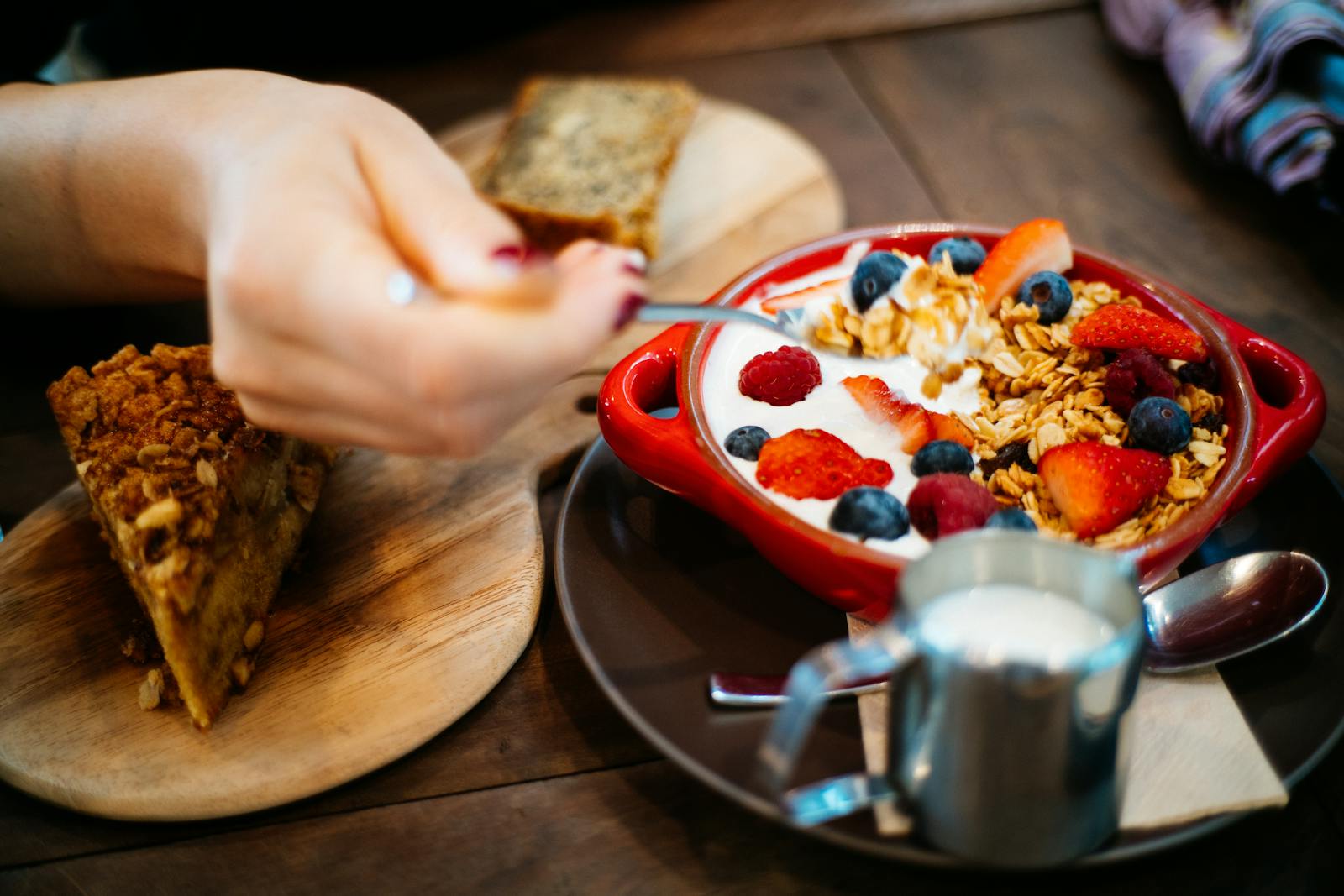
A 2025 OpenTable report quietly revealed something restaurant owners have been watching for two years: weekend brunch reservations among 22-to-29-year-olds dropped 18% from 2023 to 2024. The gap didn’t get filled by dinner or any other meal, it just disappeared. Gen Z is trading brunch plans for “slow Saturdays,” and the change is showing up everywhere from booking platforms to TikTok trends to the lengthening decline of $24 avocado toast.
The shift isn’t anti-social. It’s anti-performance. A generation that grew up performing weekend brunch on Instagram is now opting out of weekend plans entirely, choosing slow mornings at home, no makeup, no group texts, no aesthetic photos. Here’s what’s actually driving it.
What Counts as a Slow Saturday?
The TikTok hashtag #SlowSaturday has racked up over 1.2 billion views as of early 2026. The format is consistent: creators film themselves waking up without an alarm, making coffee at home, doing a single low-effort thing, reading, baking, gardening, watching one movie, and going to bed early. That’s it. That’s the trend.
The defining principle is intentional non-productivity. Slow Saturdays explicitly aren’t about catching up on chores or “investing in yourself.” They’re about doing nothing measurable. Lifestyle creators have called it “the radical act of being unaccountable for one day.”
Some Gen Z TikTokers describe slow Saturdays as the antidote to “girl boss” energy and hustle culture. Several viral creators, including writer Casey Lewis at After School, have framed it as a generational reaction to growing up watching millennials burn out chasing optimization.
Why Is Brunch Specifically Falling Out of Favor?
Brunch became unaffordable. A 2024 Bank of America consumer report found that the average brunch outing for two now costs around $80 in major US cities, up 34% since 2019. For a Gen Z worker earning median entry-level wages, two brunches a month equals roughly a week of groceries.
It also got exhausting. Brunch traditionally requires hair, makeup, an outfit, a reservation, a 90-minute commitment, and the social energy to be “on” with five friends in public. For a generation that already feels socially fatigued from years of online performance, that’s a lot of overhead for one meal.
The pattern aligns with what we covered in our piece on the soft life movement and rejecting hustle culture. Slow Saturdays are essentially the same philosophy applied to weekends, protecting downtime as a non-negotiable resource.
The TikToks That Made This a Movement
The trend traces back to a series of viral TikToks in late 2024 by creator Tatianna Tran, who started filming her unstructured weekend mornings in her tiny Brooklyn apartment. Her video captioned “Saturday is for doing absolutely nothing on purpose” hit 6 million views in a week.
Other creators picked up the format almost instantly. The aesthetic is consistent, natural light, minimal cuts, a quiet acoustic soundtrack. There’s no shopping haul, no skincare routine, no morning workout. The whole point is the absence of content while documenting it anyway.
The format has spread to YouTube Shorts and Instagram Reels, where slow Saturday videos consistently outperform aspirational lifestyle content in engagement metrics. Comments tend to be hundreds of variations of “this is exactly what I needed to see today.”
How Restaurants and Brands Are Reacting
Restaurants in major US cities have started experimenting with their weekend offerings. Several New York and Los Angeles brunch spots have shifted to “all-day breakfast” models that work for people who wake up at 1 PM, while others have introduced lower-cost prix fixe options to recapture younger diners.
Grocery brands have moved fast in the opposite direction. Trader Joe’s and Whole Foods have both leaned into “weekend at home” marketing, with seasonal product lines aimed at people staying in. Pre-prepared brunch kits, yogurt parfaits, frozen croissants, ready-to-bake pastries, have surged in sales over the past two years.
Even streaming services have noticed. Netflix’s data team reportedly tracked a 22% jump in Saturday morning viewership through 2024 and 2025, with the biggest growth in the 9 AM to noon window, exactly when brunch reservations used to dominate.
What This Says About Gen Z’s Bigger Worldview
Slow Saturdays aren’t about laziness. Surveys from Morning Consult show that Gen Z workers are highly motivated during the work week, they just refuse to extend that energy into their personal time. The boundary between “on” and “off” has been redrawn around Friday at 5 PM.
The movement also reflects financial reality. Multiple Gen Z creators have been candid that staying in saves money, and slow Saturdays are functionally a budget-friendly trend dressed up as a lifestyle one. The aesthetic just makes the financial necessity feel intentional.
If you found our coverage of how Gen Z approaches dating interesting, the slow Saturday trend operates on the same logic, fewer interactions, but more intentional ones.
One Last Reason This Trend Isn’t Going Away
Demographic data suggests slow Saturdays are sticking. Younger Gen Z and older Gen Alpha are entering adulthood having watched the entire arc of the trend unfold. They’re showing every sign of adopting it as default behavior rather than a phase. The brunch industry will probably survive, but the cultural assumption that Saturday morning belongs in a restaurant is over.
Are you team slow Saturday or team weekend brunch, and what does your perfect Saturday actually look like? Drop your routine in the comments. We’re collecting the best slow Saturday rituals for a follow-up piece.