
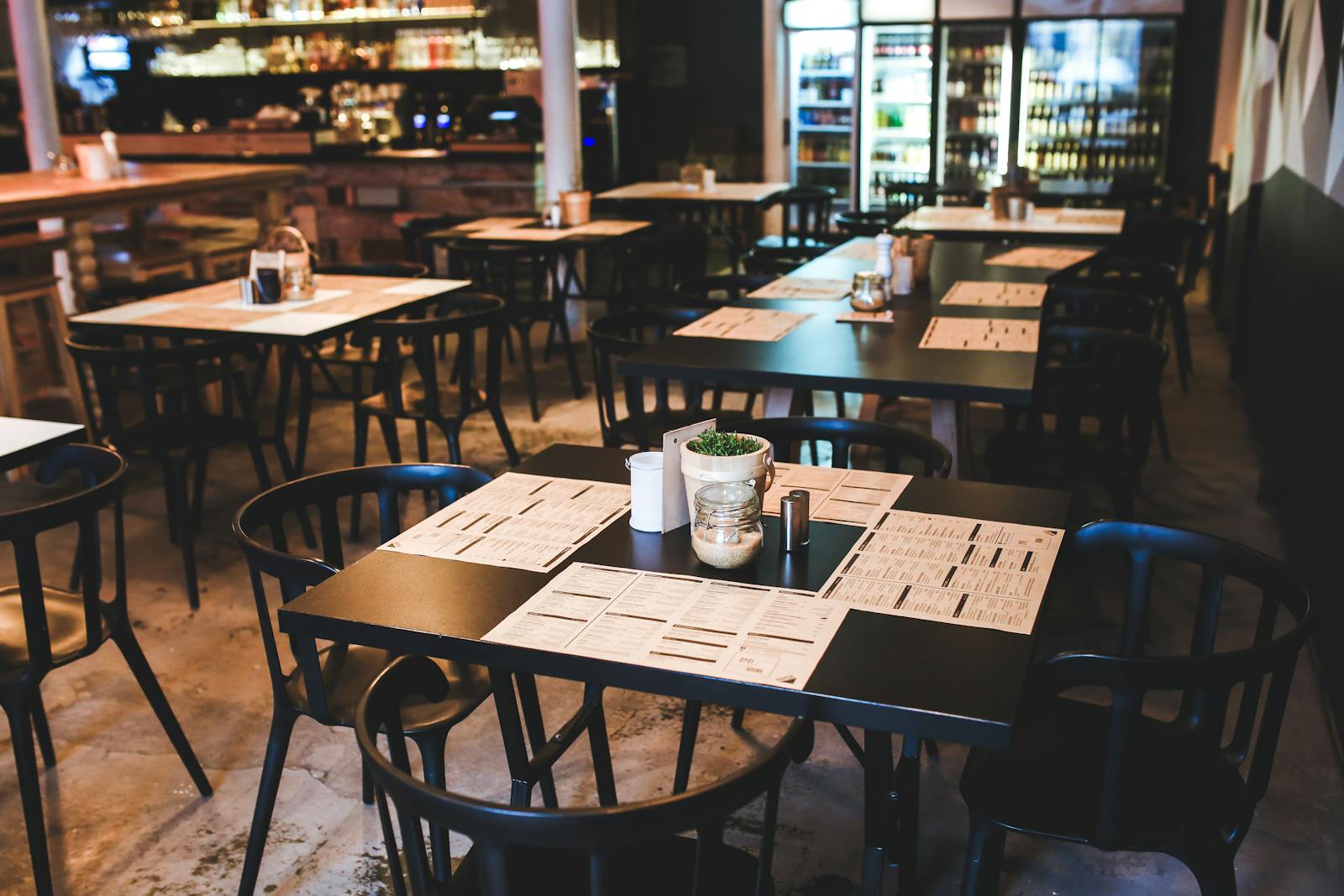
Somewhere in a restaurant, a hungry tourist once opened a menu and found a dish proudly listed as “the smell of the urgent customer.” It was meant to be a fragrant stir-fry, but a translation app had other plans. Restaurant menu translation fails have become one of the most reliably hilarious corners of the internet, where well-meaning eateries accidentally turn dinner into a comedy show. Travelers have spent years photographing these gloriously mangled menus, and the results never stop being funny.
The best part is that these are almost always genuine, good-faith mistakes. A restaurant wants to welcome international guests, runs its menu through software, and ends up with something no human would ever write. Here are the categories of menu fails that keep the internet laughing, and why they happen in the first place.
When Software Translates Too Literally
The most common menu fails come from software translating word by word instead of by meaning. A famous example circulating for years is a Chinese dish that came out in English as “husband and wife lung slice.” It sounds alarming, but it is actually a beloved Sichuan cold dish, traditionally called fuqi feipian, made of thinly sliced beef.
The original name is a charming nod to the couple who supposedly created it, but a literal translation strips away all that context and leaves something that reads like a horror film. Diners who know the backstory order it happily. Diners who do not tend to stare at the menu in confusion.
Another classic in this genre is a vegetable dish that translation software rendered as “the wood needs to be burned.” The intended meaning involved a regional cooking style, but the machine had no way to know that, so it served up something that sounds more like a survival warning than a side order.
Why Do These Translations Go So Wrong?
The core issue is that languages do not map onto each other neatly. Many dishes are named after legends, places, textures, or wordplay that simply do not exist in English. When a translation tool encounters one of these, it grabs the most literal definition of each character and stitches them together, ignoring all the cultural meaning.
Homonyms make it worse. In many languages, a single word or character can have several completely different meanings depending on context. Older translation software could not always tell which meaning applied, so it would occasionally pick the funniest possible option entirely by accident.
This is the same kind of context blindness that produces the texting disasters we covered in our piece on autocorrect fails that destroyed conversations. In both cases, a machine confidently picks the wrong meaning and leaves a human to deal with the chaos.
The Accidentally Poetic Menu Fails
Some menu mistranslations are so strange they circle all the way back around to beautiful. Travelers have shared photos of dishes listed as “stir-fried wikipedia,” which happened when a restaurant’s translation tool got confused and inserted the name of the website it was pulling reference data from.
Others have a kind of accidental poetry. A dessert once appeared on a menu as “the cloud forgets to come home,” which was a soft tofu dish whose poetic original name simply did not survive the journey into English. Diners reported that it was delicious, even if the description belonged in a book of surreal poems.
There is a whole subgenre of fails where error messages end up printed directly on the menu. The phrase “translate server error” has appeared as the actual name of a restaurant’s signage, because the software failed and the owner copied the error text assuming it was the translation.
It Is Not Just One Country
While many viral examples come from East Asia, menu fails are a truly global phenomenon. Restaurants across Europe, the Middle East, and South America have all produced gems. A Spanish menu once offered “grilled lawyer,” a mix-up because the Spanish word for the avocado fruit and a certain profession can look similar to careless software.
Italian menus have served up “spaghetti with clams and emotions,” and French cafes have offered “coffee with personality.” English-speaking restaurants are far from innocent either. Plenty of menus in the US and UK have baffled foreign tourists with unexplained slang and regional dish names that make no literal sense.
The universality is part of the charm. Every culture has dishes whose names are jokes, legends, or poetry, and every culture occasionally trusts a machine to translate them. The result is a shared global comedy that anyone who has ever traveled can appreciate.
Are Menu Fails Disappearing?
Modern translation technology has improved dramatically, so the truly wild fails are becoming rarer in major cities. Newer AI translation tools understand context far better and can often recognize a dish name as a name rather than a literal phrase. Tourist-heavy restaurants increasingly hire real translators too.
But they will never fully vanish, and honestly, many people hope they do not. Some restaurants have leaned into the joke, deliberately keeping a famously mistranslated dish name because customers now order it specifically for the photo. A good menu fail has become a small tourist attraction in its own right.
If you enjoy collecting absurd real-world writing, you will probably also love our roundup of the funniest 1-star reviews of world wonders, which proves humans can be just as accidentally hilarious as any translation app.
One Last Menu Gem
Saved for last is a personal favorite spotted by a traveler: a menu that listed a simple soup as “various and confusing.” Honestly, that might be the most accurate description of a mystery soup anyone has ever written. The restaurant nailed it without even meaning to.
What is the funniest menu or sign translation you have ever seen on your travels? Share your best find in the comments, because this is one collection that only gets better with more entries.