
Picture the cartoon bear family from your childhood books. Was it spelled “Berenstein” or “Berenstain”? A huge number of people are absolutely certain it ended in “stein,” with a vivid memory of reading it that way. It was always “Berenstain.” This shared, confident, and completely false memory has a name: the Mandela Effect. It describes the strange phenomenon where large groups of people remember the same thing incorrectly in exactly the same way, and the science behind it is far more fascinating than any conspiracy theory.
The term was coined in 2009 by writer Fiona Broome, who discovered that she and thousands of others vividly remembered Nelson Mandela dying in prison in the 1980s. In reality, he was released, became president, and lived until 2013. How could so many people share an identical wrong memory? The answer reveals just how creative and unreliable human memory really is.
The Most Famous Mandela Effect Examples
Once you start noticing them, the examples are everywhere. Many people swear the Monopoly mascot wears a monocle. He never has. People confidently picture the Fruit of the Loom logo with a cornucopia behind the fruit. There was never a cornucopia. These are not vague guesses, they are detailed, confident memories.
Movie quotes are a goldmine too. Most people remember the famous Star Wars line as “Luke, I am your father.” The actual line is “No, I am your father.” Snow White’s queen is remembered as saying “Mirror, mirror on the wall,” but the real line is “Magic mirror on the wall.” Even the most quoted moments in film history get rewritten in our collective memory.
Then there is Pikachu. Countless fans picture the Pokemon with a black tip on his tail. His tail has always been solid yellow. The fact that so many people share the exact same incorrect detail is what makes the Mandela Effect so eerie and so interesting to study.
So What Actually Causes It?
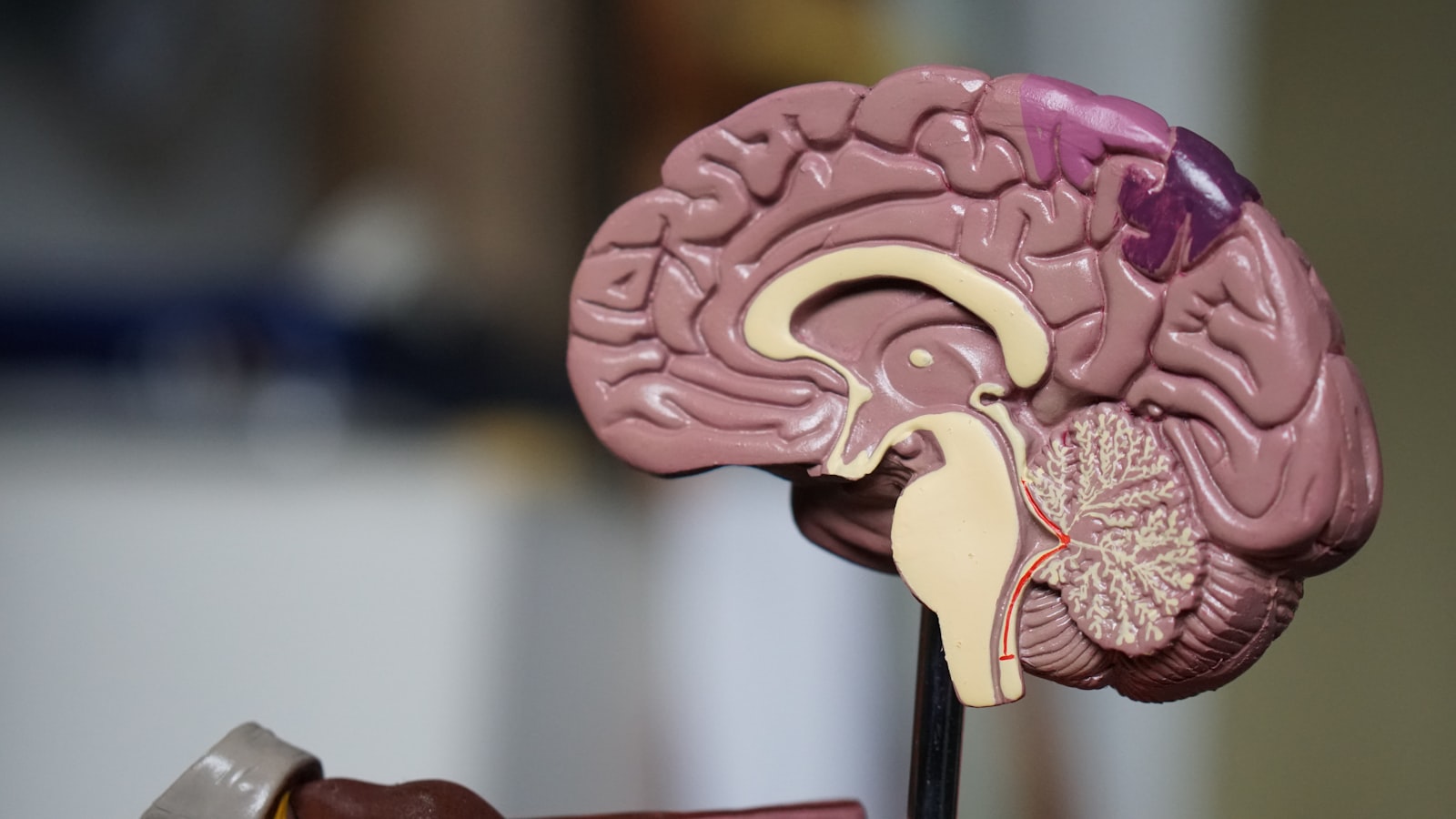
The leading explanation is a memory process called confabulation. Your brain does not store memories like a video file. Instead, it reconstructs them every time you remember, filling in gaps with what seems logical. When details are missing, your brain guesses, and it often guesses the same way other brains do.
Take the Berenstain Bears. The name sounds like it should end in “stein” because that is a far more common spelling pattern in English names. Your brain, encountering an unusual spelling, quietly “corrects” it to the version that fits expectations. Since millions of brains share the same expectations, they share the same error.
This connects to something we explored in our article on why your brain remembers songs but forgets names. Memory is not a recording device, it is an active, error-prone storyteller, and the Mandela Effect is that storyteller getting caught making the same mistake at scale.
The Role of Suggestion and Social Memory
Memory is also highly social, and that makes false memories spread. Psychologist Elizabeth Loftus spent decades proving that human memory can be reshaped by suggestion. In her famous experiments, simply asking a leading question could implant detailed false memories in people’s minds.
The internet supercharges this effect. When one person posts that they remember the monocle on the Monopoly man, thousands of others read it and suddenly “remember” it too. The act of seeing the false version described in confident detail plants or strengthens the same false memory in the reader’s mind.
This is why Mandela Effects tend to go viral in clusters. Once a community starts discussing one, the shared discussion reinforces the wrong memory for everyone involved, creating a feedback loop that makes the false version feel even more real than the truth.
Why Do These Specific Memories Get Distorted?
Not everything gets a Mandela Effect, so why these particular things? Researchers note that the distorted memories almost always involve small, peripheral details we never paid close attention to in the first place. Nobody studies the Monopoly mascot’s face carefully, so the brain has plenty of room to invent a monocle that fits the “rich old man” stereotype.
Logos, mascots, and famous quotes are perfect targets because we encounter them constantly but rarely examine them. We feel like we know them intimately, which makes us overconfident, while the actual details were never firmly encoded. That gap between confidence and accuracy is exactly where the Mandela Effect lives.
There is also the “schema” effect. Your brain stores general templates for how things usually look. A cornucopia is associated with fruit, so your brain happily adds one to a fruit logo. A pirate has a peg leg, which is why many people falsely remember the Monopoly man with one too.
Is the Mandela Effect Proof of Anything Stranger?
Some people enjoy the playful theory that Mandela Effects are glitches between parallel universes. It is a fun idea for a late-night conversation, but there is no scientific evidence for it. Every documented Mandela Effect has a clear, well-understood psychological explanation rooted in how memory actually works.
What makes the real explanation better than the sci-fi one is that it tells us something true about ourselves. Your memory is not a perfect archive. It is a living, constantly edited story, shaped by expectation, suggestion, and the people around you. That is genuinely more mind-bending than a parallel universe.
It is the same humbling lesson behind our piece on why you always hear your name in a crowded room. Your brain is doing far more active construction behind the scenes than you ever realize, and most of the time you have no idea it is happening.
One Last Memory to Question
Here is one final test. Think of the famous portrait of King Henry VIII holding a turkey leg. Most people can picture it clearly. No such painting exists. It was never real, yet the image feels completely familiar because it fits everything we expect a Henry VIII portrait to look like. Your brain built it for you out of pure expectation.
Which Mandela Effect got you the hardest? Drop the one that genuinely shook your confidence in the comments, and tell us if you still half-believe your version even after learning the truth.